HVAC
What Is An AC Condenser? (Function & 6 Common Issues)
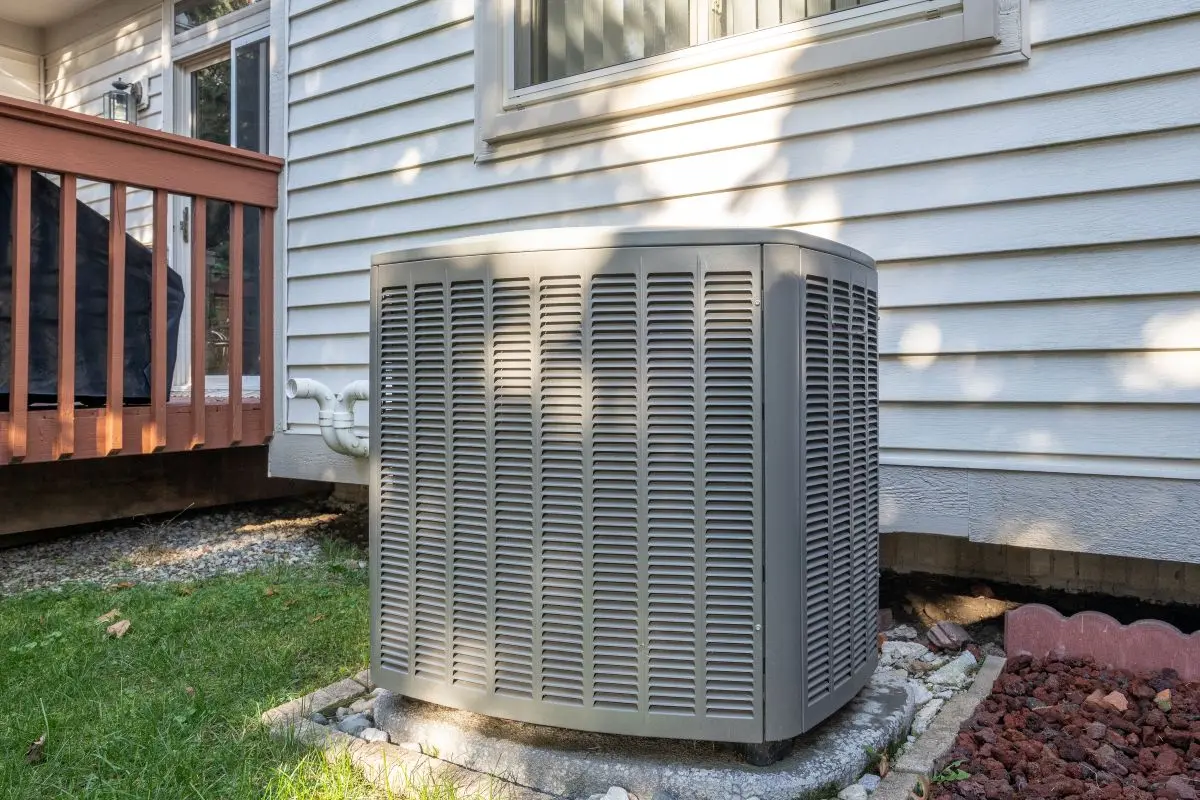
An AC condenser is the outdoor cabinet of your central air conditioning system that releases heat from your home to the outside air, and understanding how it works helps you spot problems early and make smart repair decisions. Whether you are troubleshooting an AC condenser issue, comparing repair quotes, or deciding between condenser repair and full replacement, the guide below covers condenser function, main parts, typical costs, and the six most common problems homeowners encounter.
- Function explained: Learn exactly what an AC condenser does and how it fits into your cooling system.
- Cost breakdown: See current repair and replacement price ranges for the AC condenser unit.
- Common issues: Identify the six most frequent problems and what each one indicates.
What Is an AC Condenser and How Does It Work?
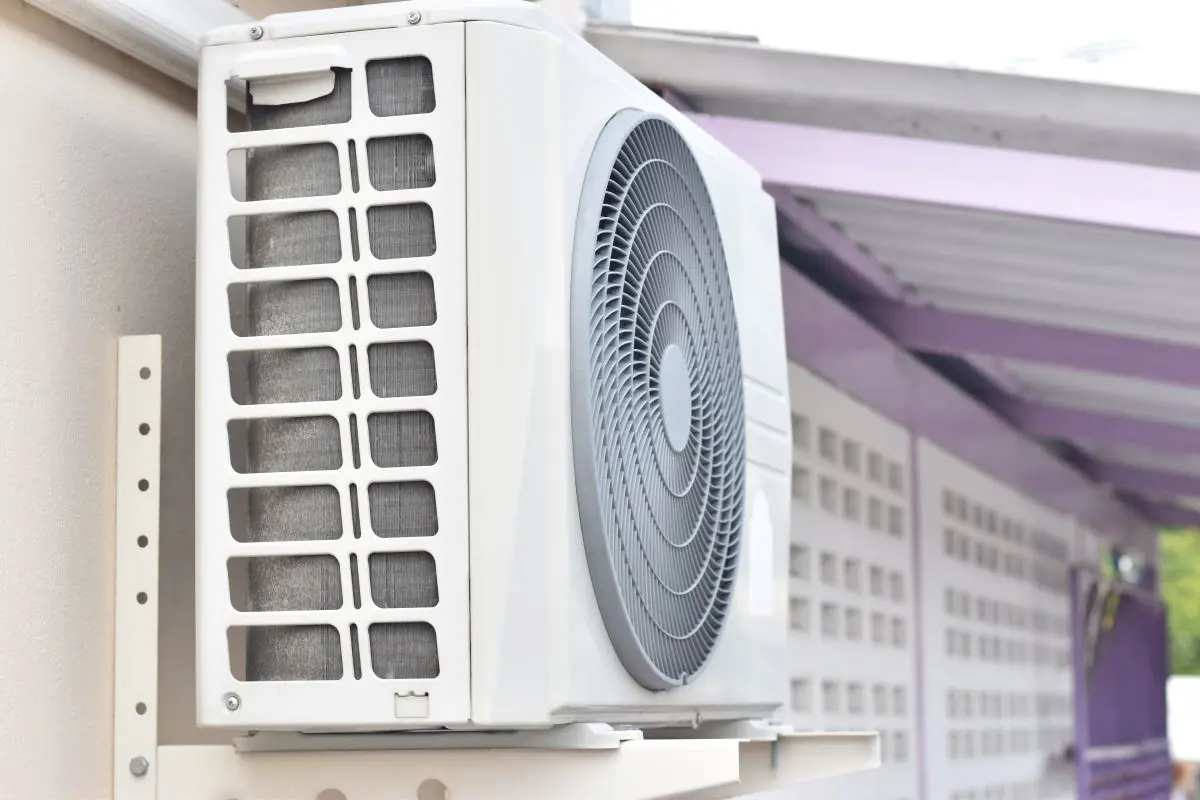
An AC condenser is the outdoor component of a split-system central air conditioner that condenses refrigerant gas back into a liquid state, releasing heat to the outside air in the process. It houses the compressor, condenser coil, fan, and electrical controls in a single weatherproof cabinet, and it is the workhorse that drives your entire cooling system.
The Function of an AC Condenser
An AC condenser removes heat from your home by circulating high-pressure refrigerant gas through an outdoor coil where a fan blows outside air across the coil to release that heat. The refrigerant enters the condenser as a hot high-pressure gas after leaving the compressor, condenses back into a liquid as it releases heat, and returns indoors through the refrigerant line set to start the cycle again. That constant heat rejection is what makes your home cooler, since your indoor evaporator coil can only absorb heat if the outdoor condenser can dump it. Without a functioning condenser, cooling stops even if the indoor unit is running perfectly.
- Heat rejection: Releases heat absorbed from inside your home to outdoor air.
- Refrigerant condensation: Converts refrigerant gas back to liquid form.
- Continuous cycle: Enables the ongoing heat transfer that cools the home.
- Outdoor location: Sited outside so the heat has somewhere to go.
The Main Parts of an AC Condenser
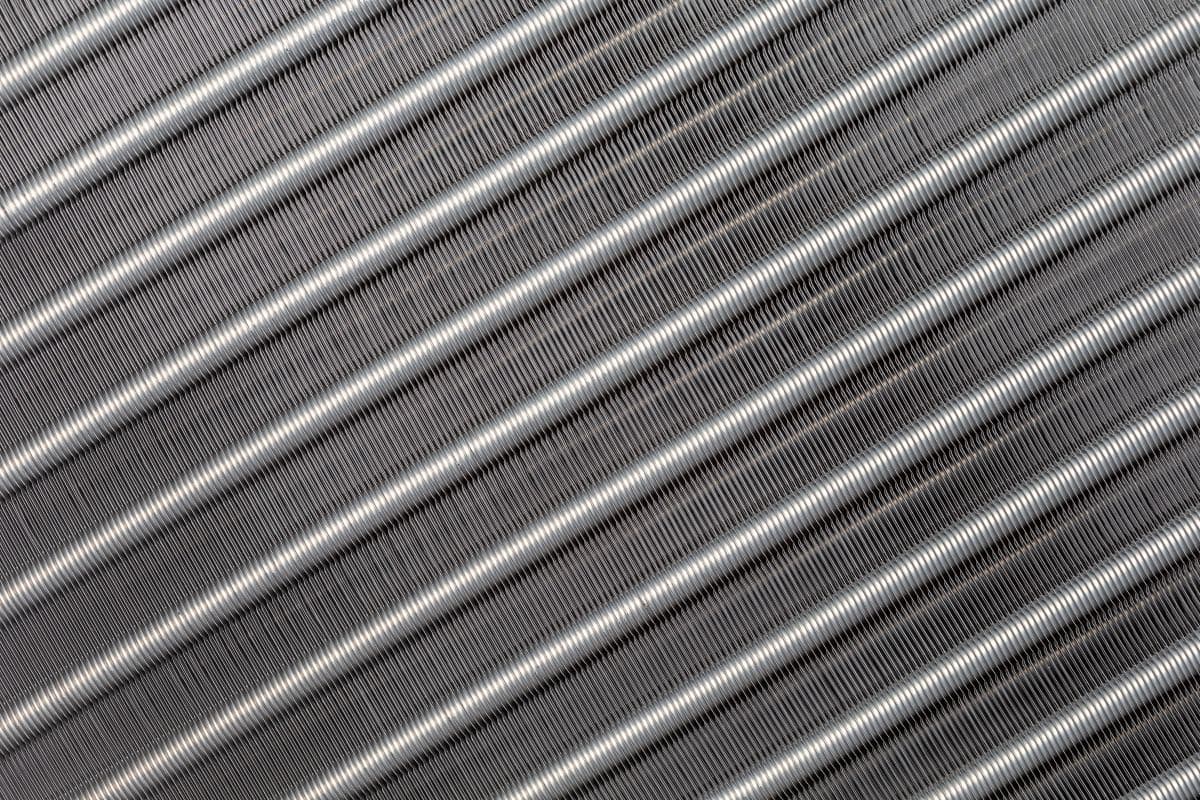
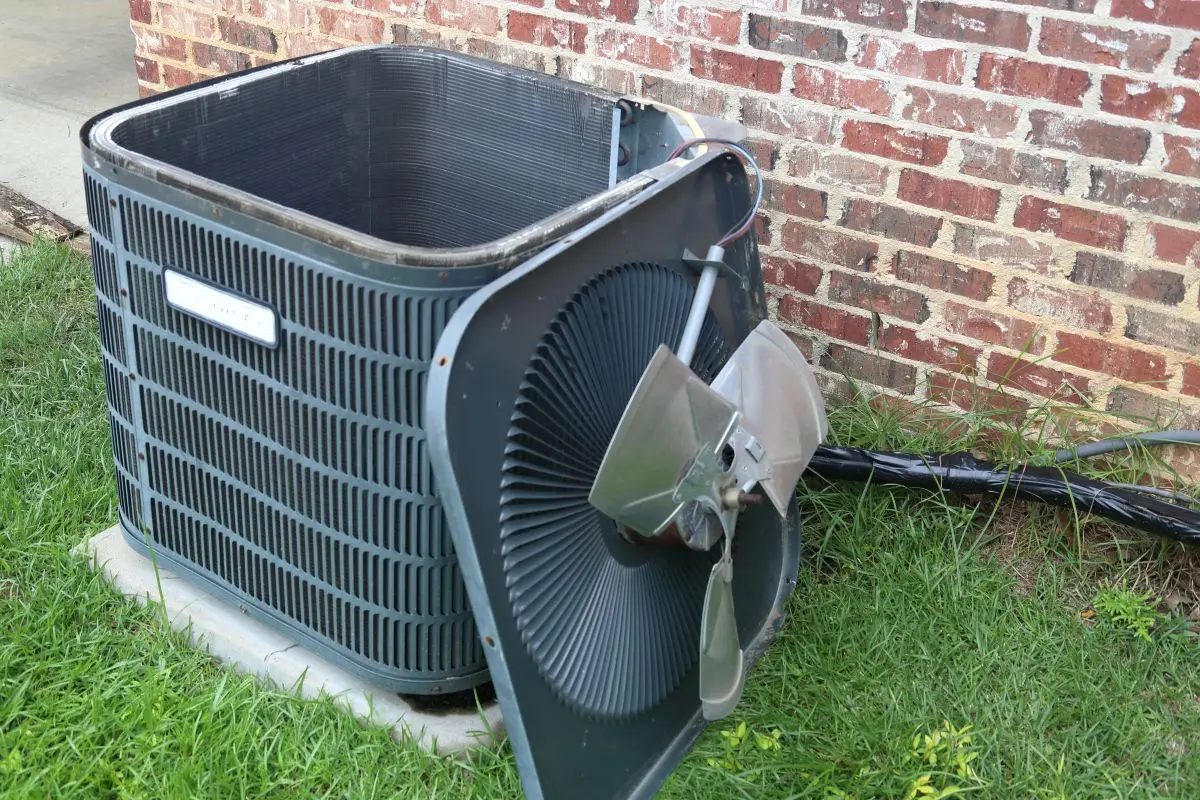
An AC condenser cabinet contains four main components: the compressor, the condenser coil, the condenser fan, and the electrical controls. The compressor is a sealed motor that pressurizes refrigerant, the condenser coil is the copper tubing wrapped in aluminum fins where heat rejection happens, the fan pulls air through the coil, and the electrical controls (capacitors, contactors, and the control board) manage startup and safe operation. All four components sit in a painted steel cabinet with a protective grille on top and refrigerant service valves on the side. Cabinet sizes range from 24 to 48 inches tall depending on the system’s tonnage, which typically ranges from 1.5 to 5 tons for residential AC condensers.
- Compressor: Sealed motor that pressurizes refrigerant.
- Condenser coil: Copper tubing and aluminum fins where heat rejection occurs.
- Condenser fan: Pulls outdoor air through the coil to remove heat.
- Electrical controls: Capacitors, contactors, and control boards that manage operation.
AC Condenser Repair and Replacement Costs
AC condenser repair typically costs $150 to $2,500 depending on the specific issue, while full AC condenser replacement runs $2,500 to $5,500 installed. Common condenser repairs include capacitor replacement at $150 to $400, contactor replacement at $150 to $350, fan motor replacement at $400 to $900, and compressor replacement at $1,500 to $3,500 out of warranty. Whole-condenser replacement makes sense when the system is over 12 years old, uses an obsolete refrigerant like R-22, or has multiple failed components at once. Homeowners in Mt Vernon and surrounding areas can expect quotes to reflect Missouri labor rates ($100 to $175 per hour) and current refrigerant pricing.
- Minor repairs: $150 to $400 for capacitors, contactors, and controls.
- Motor and refrigerant work: $400 to $1,500 for fan motors and leak repair.
- Compressor replacement: $1,500 to $3,500 out of warranty.
- Full condenser replacement: $2,500 to $5,500 including installation.
6 Common AC Condenser Issues
The following six issues account for the vast majority of AC condenser problems in residential systems. Each one has a distinct set of symptoms and repair path, and catching them early usually prevents the more expensive failures below.
1. Dirty Condenser Coils
Dirty AC condenser coils happen because the outdoor unit sits exposed to pollen, grass clippings, cottonwood fluff, dust, and yard debris that accumulate on the aluminum fins and copper tubing over time. According to ENERGY STAR, dirty evaporator and condenser air conditioning coils reduce the system’s ability to cool your home and cause the system to run longer, which increases energy costs and reduces the life of the equipment. Dirty coils insulate the copper tubing, reduce heat rejection, and force the compressor to run longer to move the same amount of heat, which drives up bills and shortens equipment life.
- Higher energy bills: Restricted heat rejection extends compressor run time.
- Reduced cooling: Warm air from vents on hot days.
- Compressor strain: Chronic dirt shortens compressor life.
- DIY cleaning: Rinse with a garden hose from inside out twice per year.
2. Bent Condenser Fins
Bent AC condenser fins are usually caused by hail, lawn equipment, pets, kids playing near the unit, or careless cleaning that impacts the delicate aluminum fins wrapped around the copper coil tubing. Even mild bending across a large section of the coil restricts airflow and reduces heat transfer, and severe damage can drop cooling capacity by 20 percent or more. Missouri hailstorms are the most common single cause in the Mt Vernon and surrounding areas market, and any noticeable dents or crushed sections after a storm warrant inspection. A technician uses a fin comb to straighten damaged sections, and full fin replacement is only necessary for extremely severe damage.
- Hail damage: Common in Missouri thunderstorms.
- Lawn equipment: String trimmers and mowers throwing debris.
- Cleaning damage: Pressure washers or aggressive brushing.
- Fin comb repair: A technician can restore straight fins in most cases.
3. Condenser Fan Motor Failure
An AC condenser fan motor fails from a combination of age, bearing wear, capacitor failure, and heat stress after 8 to 15 years of use. Symptoms include a fan that will not spin when the system calls for cooling, a fan spinning slowly or making grinding noises, or a fan running while the compressor is off. The condenser fan motor typically costs $400 to $900 installed, which includes the motor, a new capacitor, and labor. Attempting to run the AC condenser with a failed fan quickly overheats the compressor, so shutting the system off at the breaker until repair is completed protects the more expensive component.
- No spin: Fan does not start when cooling is called for.
- Slow spin: Failing bearings reduce fan speed.
- Grinding noise: Bearing wear or damaged blade.
- Compressor risk: Running without the fan damages the compressor within minutes.
4. Refrigerant Leaks in the AC Condenser
An AC condenser refrigerant leak shows up as warm air from vents, ice buildup on the indoor coil or outdoor lines, a hissing or bubbling sound near the unit, or noticeably longer cooling cycles that never quite satisfy the thermostat. Common leak points include the outdoor coil itself (often pinhole corrosion on aluminum evaporators or copper coils), the flare and braze fittings on the line set, and the Schrader service valves on the side of the cabinet. Refrigerant leak repair typically costs $400 to $1,500 depending on location and refrigerant type, and per federal law only EPA Section 608 certified technicians can perform this work. The AIM Act’s HFC phasedown has driven R-410A refrigerant prices from about $75 per pound in 2022 to $90 to $150 per pound or higher in 2026.
- Warm air: System runs but supply air is not cool.
- Ice buildup: Frost or ice on indoor coil or refrigerant lines.
- Hissing sound: Audible refrigerant escaping near coil or fittings.
- Extended cycles: System runs continuously without cooling the home.
5. Capacitor and Contactor Failures
AC condenser capacitors and contactors are the two most common electrical failures, and they typically fail after 5 to 10 years of use. The capacitor stores and releases the energy that starts the compressor and fan motor, while the contactor is the switch that closes to send 240-volt power to those motors on each cooling cycle. Symptoms of capacitor failure include a humming sound with no motor spin, delayed startup, or the AC condenser cycling off within seconds of starting. Contactor failure shows up as no response at all when cooling is called, pitted or burned contact points, or occasional buzzing sounds during startup. Both parts are relatively inexpensive, with capacitors at $150 to $400 installed and contactors at $150 to $350 installed.
- Capacitor symptoms: Humming with no motor start, or immediate shutoff.
- Contactor symptoms: No response to thermostat, or buzzing during startup.
- Short lifespan: Both parts fail every 5 to 10 years on average.
- Fast repair: Both replacements typically take under an hour.
6. AC Condenser Compressor Failure
A failed AC condenser compressor is the most expensive condenser problem and shows up as a total loss of cooling, breakers tripping when the system tries to start, loud grinding or knocking from the outdoor cabinet, or refrigerant lines running at incorrect temperatures. Compressors typically last 12 to 17 years but can fail earlier from electrical damage, refrigerant contamination, running low on refrigerant, or age-related bearing failure. Replacement costs range from $1,500 to $3,500 out of warranty and $600 to $1,200 when the manufacturer parts warranty is still active. For systems over 12 years old, full condenser or system replacement often makes more financial sense than a standalone compressor swap, especially with 2028 efficiency standards approaching.
- No cooling: Total loss of cool air from supply registers.
- Breaker trips: Overloaded compressor trips the disconnect.
- Grinding sounds: Internal mechanical damage.
- High cost: $1,500 to $3,500 out of warranty makes replacement worth considering.
Frequently Asked Questions
How Much Does an AC Condenser Cost to Replace?
A full AC condenser replacement typically costs $2,500 to $5,500 installed in the Mt Vernon and surrounding areas market, depending on tonnage, brand, and SEER2 rating. High-efficiency 17 to 20 SEER2 condensers reach the upper end of that range but qualify for federal tax credits of up to $600. Replacing just the outdoor unit while keeping the indoor coil is only advisable when the two units remain compatible in refrigerant and capacity.
How Long Does an AC Condenser Last?
A properly installed and maintained AC condenser typically lasts 12 to 17 years. Annual maintenance, prompt repairs, and clean coils are the biggest factors in reaching the upper end of that range. Homes in humid Missouri climates often see slightly shorter equipment life than the national average because of longer cooling seasons and salt-free but humid air.
Can I Clean My AC Condenser Myself?
Yes, homeowners can safely shut off power at the disconnect, rinse the coils from inside out with a garden hose, remove debris from around the unit, and trim back nearby foliage. Never use a pressure washer, and never open the cabinet or touch electrical components. Anything involving refrigerant lines, gauges, or the compressor requires an EPA Section 608 certified technician.
Should I Repair or Replace My AC Condenser?
Repair the AC condenser when it is under 10 years old and the repair cost is under 30 percent of replacement cost. Replace the whole condenser when the system is over 12 years old, uses obsolete R-22 refrigerant, or has multiple failed components. New high-efficiency condensers also qualify for federal tax credits and utility rebates that shorten the payback period.
How Do I Know if My AC Condenser Is Bad?
Common signs of a bad AC condenser include warm air from vents, loud grinding or knocking outside, the outdoor fan not spinning, water pooling around the unit, breaker trips, or a system that runs constantly without cooling the home. Any combination of these symptoms warrants a professional diagnosis before continued operation causes secondary damage.
Do I Need a Licensed Technician for AC Condenser Repair?
Yes, Missouri requires HVAC technicians to hold proper licensing and EPA Section 608 certification for any AC condenser work involving refrigerants. Refrigerant handling by uncertified individuals is a federal violation, and electrical work on 240-volt systems carries serious shock and fire risk. Using a licensed contractor protects your safety, your warranty, and the outcome of the repair.
Trust Jameson Heating & Air for Expert AC Condenser Service
When you need honest diagnosis and quality repair on your AC condenser, Jameson Heating & Air is the trusted choice for homeowners across Mt Vernon and surrounding areas. As a family owned and operated Rudd Pro Partner, we deliver factory-trained expertise, EPA-certified refrigerant handling, and transparent, itemized pricing on every service call. Our team offers emergency repairs when your condenser fails on the hottest day of summer, free estimates on new AC system replacements when equipment is past its useful life, financing options that make major repairs affordable, and a maintenance program designed to prevent the condenser issues covered in this article. If your outdoor unit is making strange noises, not cooling your home, or you just want a second opinion on a recent AC condenser repair quote, reach out today for expert guidance and a fair path forward.