Air Conditioning
AC Repair: 5 Signs Your System Needs Attention
When summer temperatures climb and your home stops feeling comfortable, prompt ac repair can be the difference between a quick fix and a full system replacement. Catching the warning signs early helps homeowners protect their investment, lower energy costs, and avoid being stranded without cool air on the hottest days.
- Quick diagnosis: Learn the five most reliable signs your cooling system needs professional attention.
- Cost guidance: Understand typical repair price ranges and how to weigh repair against replacement.
- Local expertise: See why Springfield homeowners trust Jameson Heating & Air for honest diagnostics.
Why Catching AC Problems Early Matters
Catching air conditioning issues early is the most effective way to reduce repair costs and extend system life. A small refrigerant leak or worn capacitor caught in May can prevent a full compressor failure in July, when service demand peaks.
How Small Issues Become Expensive Failures
Most major air conditioner failures begin as minor mechanical or electrical issues that progress over weeks. A bulging capacitor, pitted contactor, or low refrigerant charge forces the compressor and blower motor to work harder than designed. Over time, that strain damages high-cost components like the compressor, which costs $1,500 to $3,500 to replace on a residential split system. Addressing the original issue typically falls in the $150 to $600 range, depending on the part and labor involved.
- Capacitor failure: A weak start capacitor can fail completely within weeks of showing symptoms.
- Refrigerant loss: Even a slow leak reduces efficiency and can cause evaporator coil icing.
- Electrical wear: Pitted contactors create heat that damages surrounding components.
- Drainage issues: A clogged condensate line can trigger float switch shutoffs or water damage.
What Springfield’s Climate Demands From Your AC
Air conditioners in Springfield and surrounding areas face a demanding workload, with summer humidity routinely above 70 percent and stretches of 90-degree days. That duty cycle accelerates wear on every moving part, from the blower motor to the compressor windings, and local equipment often ages faster than the national average if maintenance is skipped.
- High humidity load: Ozark moisture forces systems to remove gallons of water daily.
- Pollen and debris: Spring tree pollen and summer dust clog outdoor condenser fins quickly.
- Storm exposure: Severe weather can damage outdoor units and trigger electrical issues.
- Long cooling season: From May through September, systems run heavily, accelerating wear.
5 Clear Signs Your AC Needs Professional Repair
The following five signs are the most reliable indicators that your cooling system needs hands-on diagnostic work. Watch for any of them during normal operation, and schedule service before the issue compounds.
1. Warm or Weak Air Coming From the Vents
Warm or weak airflow from your vents is one of the most common signs of a failing air conditioner and almost always points to a specific mechanical or refrigerant issue. When supply air feels close to room temperature, the system may be low on refrigerant due to a leak, the compressor may not be engaging, or a frozen evaporator coil may be choking off airflow. Weak airflow with cool air can indicate a failing blower motor, a dirty filter restricting return air, or duct leaks pulling unconditioned attic air into the system. A technician will measure the supply-to-return temperature differential, which should typically fall between 16 and 22 degrees on a properly operating residential system.
- Refrigerant leak: Low charge prevents proper heat exchange and often produces ice on the indoor coil.
- Failing compressor: A compressor that starts and stops abnormally cannot maintain cooling capacity.
- Blower motor wear: A struggling blower reduces airflow even when the rest of the system is healthy.
- Dirty coil or filter: Restricted airflow drops cooling output and can freeze the evaporator within hours.
2. Unusual Noises During Operation
Unusual noises from your air conditioner almost always indicate a mechanical problem that will worsen with continued use. Healthy systems produce a steady, low hum from the outdoor condenser and a gentle whoosh from the supply registers, so any new sound deserves attention. Grinding typically points to worn motor bearings, screeching often signals a slipping belt on older units, and persistent clicking past startup can indicate a failing relay or contactor. Loud banging from the outdoor unit may mean a loose compressor mount, a broken fan blade, or debris inside the cabinet.
- Grinding noise: Worn motor bearings need immediate attention before the motor seizes.
- Screeching sound: A failing belt or motor bearing requires prompt service to prevent further damage.
- Persistent clicking: Relay or capacitor issues can prevent startup and damage the compressor.
- Banging or clanking: Loose internal parts can destroy the compressor if the system keeps running.
3. Rising Energy Bills With No Change in Usage
A noticeable jump in your summer electric bill, without a change in thermostat settings or weather, is one of the clearest signs that your air conditioner is losing efficiency. Dirty coils, low refrigerant, worn motors, and aging compressors all force the system to run longer to deliver the same cooling. According to the U.S. Department of Energy, replacing a dirty, clogged air filter can reduce an air conditioner’s energy consumption by 5 to 15 percent, which illustrates how quickly small inefficiencies add up across a full cooling season. If your bills have climbed 20 percent or more compared to the same month last year, a professional inspection is worth scheduling.
- Dirty condenser coils: Restricted heat transfer forces longer run times and higher amperage draw.
- Low refrigerant charge: Undercharged systems run continuously while delivering less cooling.
- Aging compressor: Older compressors lose efficiency, drawing more power for the same output.
- Duct leakage: Conditioned air escaping into attics wastes 20 to 30 percent of cooling output.
4. Frequent Cycling or Constant Running
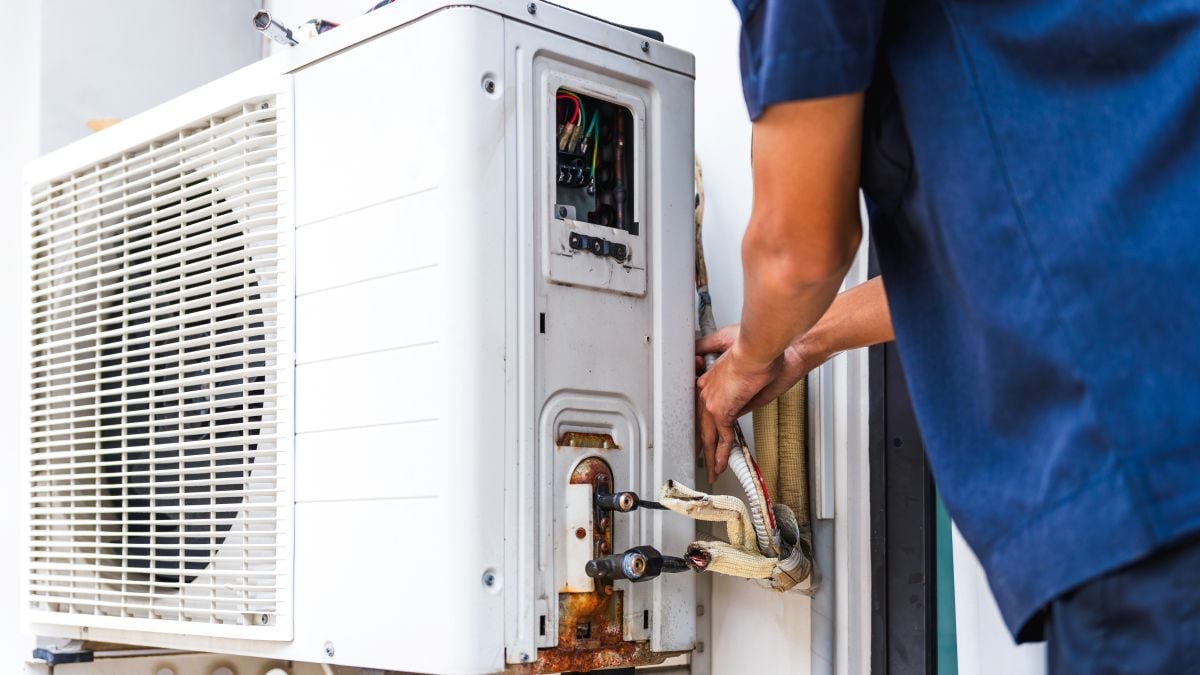
An air conditioner that turns on and off repeatedly, or runs nonstop without reaching the thermostat setpoint, is a system in distress. Short cycling, where the unit starts and stops every few minutes, is often caused by an oversized system, a failing thermostat, low refrigerant, or a dirty condenser coil triggering high-pressure shutoffs. A system that runs constantly may be undersized, low on refrigerant, or fighting significant duct leakage. Both conditions waste energy, accelerate compressor wear, and shorten the system’s lifespan, which typically ranges from 12 to 17 years.
- Short cycling: Frequent restarts wear out compressors and double or triple electrical consumption.
- Constant operation: A unit that never satisfies the thermostat is losing capacity.
- Thermostat issues: Faulty sensors or wiring can cause erratic on-and-off behavior.
- Sizing mismatch: Improperly sized equipment never reaches comfortable performance.
5. Water Leaks or Excess Humidity Indoors
Water around your indoor air handler, or noticeably sticky and humid air inside your home, indicates that your AC is no longer managing moisture properly. The most common cause is a clogged condensate drain line, which a technician can clear quickly but may trigger water damage if ignored. Excess indoor humidity, even when supply air still feels cool, often points to an oversized system, a failing dehumidification cycle, or low refrigerant. Indoor relative humidity should stay between 30 and 50 percent during cooling season; anything higher promotes mold growth and discomfort.
- Clogged drain line: Algae and debris block condensate flow, causing pan overflow and ceiling damage.
- Frozen evaporator coil: Ice that thaws can overwhelm the drain pan and leak into the home.
- Oversized equipment: Units that cycle off too quickly never run long enough to dehumidify properly.
- Refrigerant problems: Low charge reduces both cooling and moisture removal capacity.
Frequently Asked Questions
How Much Does AC Repair Typically Cost?
Most residential AC repairs in the Springfield and surrounding areas fall between $150 and $1,500, with capacitor and contactor work at the lower end and refrigerant or motor repairs at the higher end. Diagnostic fees typically range from $75 to $150 and are often credited toward the repair if you proceed.
How Long Does an AC Repair Take?
Most common repairs are completed in a single visit lasting 1 to 3 hours, including diagnosis. Parts that require ordering may extend the timeline by 1 to 5 business days. During peak summer demand, scheduling can take longer, which is why early action on warning signs matters.
Can I Repair My AC Myself?
Homeowners can safely change air filters, clear debris around the outdoor condenser, and check thermostat batteries, but most repairs require EPA Section 608 certification and specialized tools. Refrigerant work is regulated by federal law, and electrical components carry serious shock risk. Hiring a licensed HVAC technician protects your safety and your manufacturer warranty.
How Often Should I Have My AC Serviced?
Industry standards and most manufacturer warranties call for professional AC maintenance once per year, ideally in spring before cooling season begins. Annual service includes coil cleaning, refrigerant verification, electrical inspection, and drain line treatment. Skipping yearly maintenance can void warranty coverage and shorten system life.
Is It Worth Repairing an Older AC Unit?
Whether to repair an older AC depends on repair cost, system age, and current efficiency. As a rule of thumb, if your system is over 12 years old and the repair exceeds $1,500, getting a replacement quote is wise. New high-efficiency units often pay back the difference through lower energy bills within 5 to 8 years.
Do I Need a Licensed Technician for AC Repair in Missouri?
Yes, Missouri requires HVAC technicians to hold proper licensing and EPA Section 608 certification for any work involving refrigerants. Working with a licensed, insured contractor protects your home, your warranty, and your safety.
Trust Jameson Heating & Air for Expert AC Repair
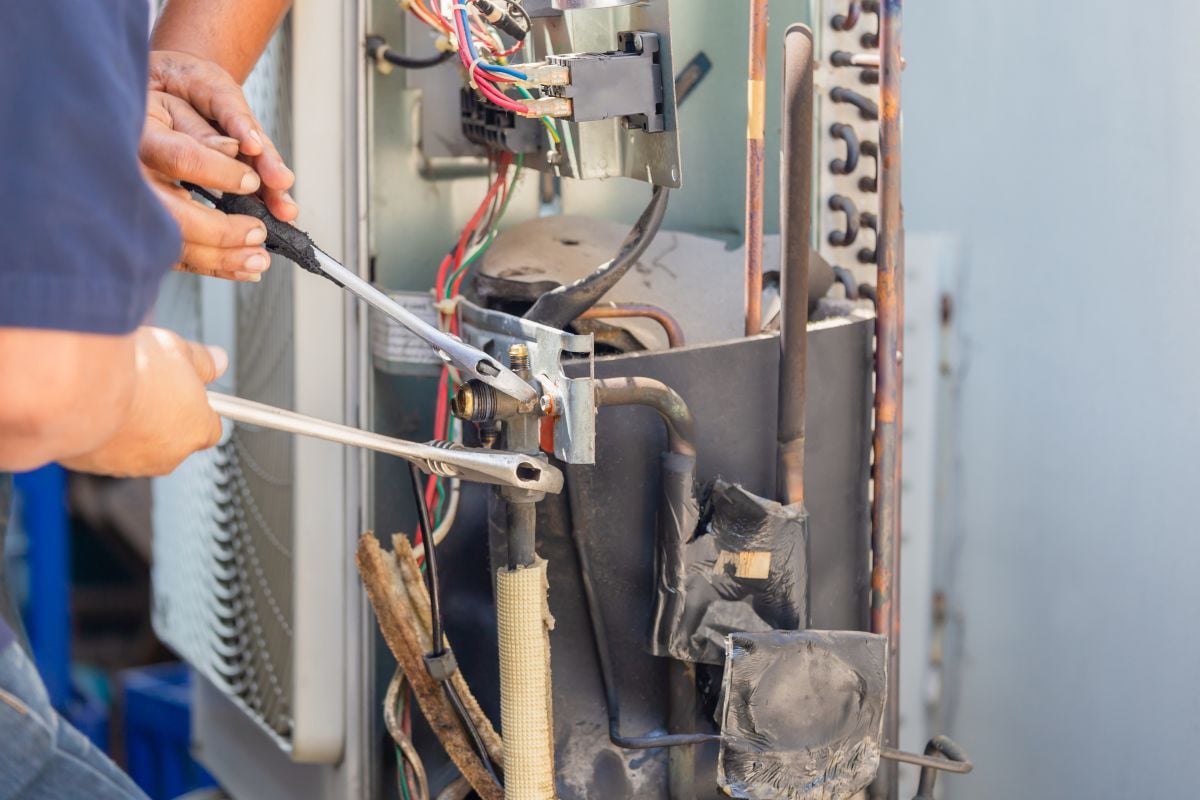
When your cooling system shows any of these warning signs, Jameson Heating & Air is the trusted choice for homeowners across Springfield and surrounding areas. As a family owned and operated Rudd Pro Partner, we bring factory-trained expertise, transparent pricing, and a commitment to doing the job right the first time.
Our team offers emergency repairs when you need cool air fast, free estimates on new system replacements, financing options to fit any budget, and a maintenance program designed to prevent the breakdowns covered in this article. If your AC is making strange noises, leaking water, or sending your energy bills climbing, reach out today to schedule a diagnostic visit and get honest, expert advice on the right path forward for your home.