HVAC
Best AC Temperature For Energy Saving In Summer & Winter
Finding the best ac temperature for energy saving comes down to a few well-tested guidelines: 75 to 78 degrees Fahrenheit in summer when you are home and awake, 68 degrees in winter during the same hours, and meaningful setbacks whenever you are asleep or away. Getting those settings right can cut annual heating and cooling costs by roughly 10 percent without sacrificing comfort, and small daily adjustments add up to hundreds of dollars over the course of a year.
- Season-by-season guidance: Learn the ideal temperatures for summer and winter based on federal energy guidelines.
- Home, sleep, and away: See how to adjust settings for different times of day.
- Local expertise: Discover why Willard homeowners rely on Jameson Heating & Air for HVAC guidance.
How Thermostat Settings Affect Your Energy Bills
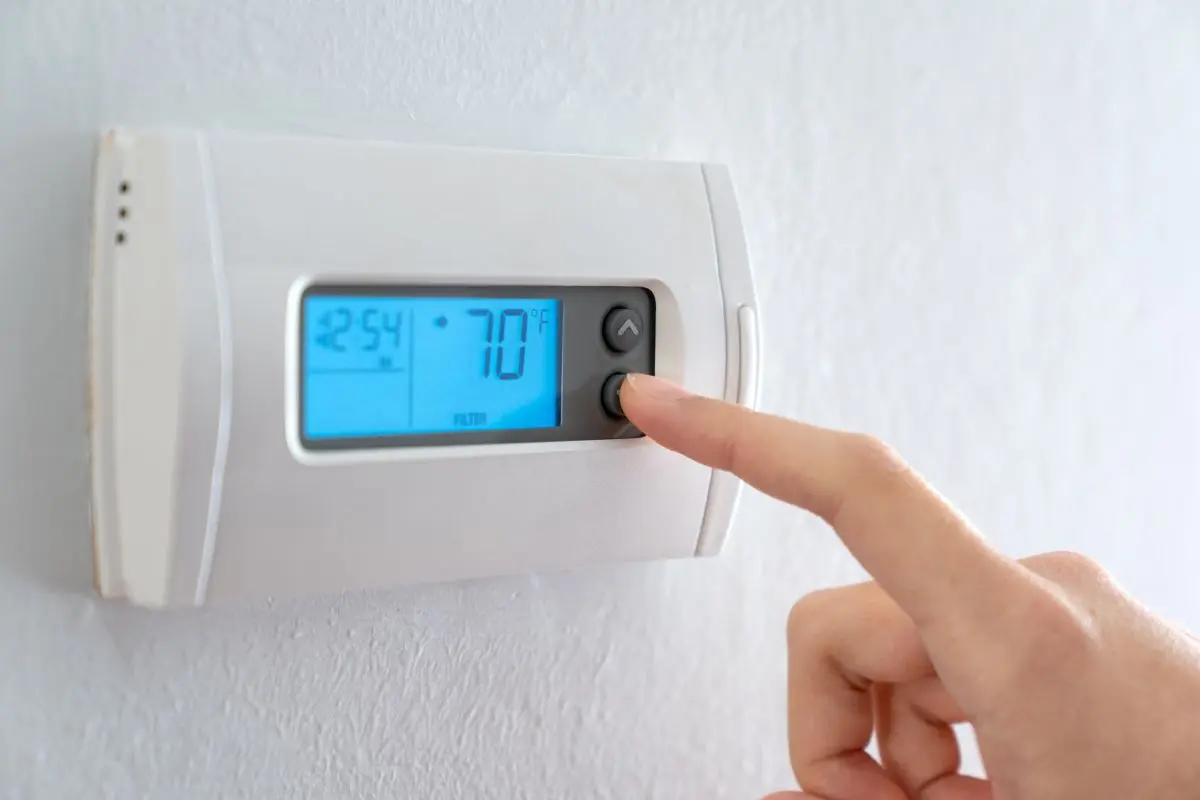
Your thermostat setting is the single biggest lever you control on your monthly heating and cooling bill, and even a few degrees of adjustment translates to real dollar savings. Understanding why the numbers matter helps you build a schedule that works for your household without leaving anyone uncomfortable.
Why Every Degree Matters
Heating and cooling equipment works harder as the gap between indoor and outdoor temperature grows, so pulling your thermostat closer to outdoor conditions reduces run time and electricity use. According to the U.S. Department of Energy, you can save around 10 percent a year on your heating and cooling bills by turning your thermostat back 10 to 15 degrees Fahrenheit for eight hours, and 68 degrees is a good guideline in the winter when you are home and awake. Industry data commonly puts the summer number at 3 to 6 percent savings per degree above 72°F, which means a home that runs at 74°F all summer costs noticeably more to cool than one that runs at 78°F.
- 10% savings: Achievable with 8-hour daily setbacks per DOE.
- Per degree savings: Roughly 3 to 6 percent per degree in summer cooling.
- Runtime reduction: Longer setbacks mean less system runtime.
- Compounding gains: Combining setbacks with insulation and shading multiplies savings.
What Willard Homeowners Can Expect to Save
Homeowners in Willard and surrounding areas deal with a demanding four-season climate that makes thermostat strategy especially valuable. Southwest Missouri summers regularly push heat indexes above 100°F with 70 to 80 percent humidity, driving long cooling cycles through July and August, while Ozark winters bring cold snaps into the teens or lower that force furnaces to run hard for weeks at a time. That combination puts local cooling costs at roughly $150 to $250 per month during peak summer and winter heating costs at $120 to $200 per month depending on home size, insulation, and fuel type. A well-programmed thermostat that follows the guidelines below typically saves $15 to $40 per month during peak seasons, which adds up to $150 to $400 per year in real household savings for the average Missouri home.
- Humid summers: Ozark humidity means AC often runs 10-plus hours per day at peak.
- Cold winter stretches: Deep January cold spells push heating bills higher.
- Wide seasonal swings: Missouri homes need effective strategies for both seasons.
- Programmable savings: Automated setbacks capture 8 to 10 percent per year.
- Smart thermostats: Add another 3 to 5 percent through learning and geofencing.
6 Best Temperature Settings for Every Situation
The following six temperature settings cover every common scenario in a residential household. Adjust the exact numbers up or down based on personal comfort, but keep the general pattern of setbacks during sleep and away hours to maximize savings.
1. Summer When You Are Home and Awake (75 to 78°F)
The best summer temperature for waking hours is 75 to 78 degrees Fahrenheit, which balances comfort against energy cost for most households. This range keeps most people comfortable in normal indoor clothing while giving your AC noticeable relief compared to lower settings. Ceiling fans, closed blinds on sun-facing windows, and light clothing all help the higher end of this range feel comfortable, and each degree above 72°F typically cuts cooling costs by 3 to 6 percent. In humid Missouri summers, indoor comfort at 78°F depends heavily on your system’s ability to remove moisture, so systems with variable-speed compressors or properly sized single-stage equipment feel noticeably better at higher setpoints than oversized systems that short-cycle. If 78°F feels too warm at first, work up gradually by raising the setpoint one degree per week until you find a personal comfort limit that still saves.
- 78°F baseline: ENERGY STAR pre-programmed setting for occupied summer hours.
- Ceiling fans: Circulate air and let you sit at a higher setpoint comfortably.
- Ozark humidity: Proper dehumidification is essential for higher setpoints to feel comfortable.
- Sun control: Close blinds on south and west windows during peak sun.
- Gradual adjustment: Raise the setpoint one degree per week to acclimate.
2. Summer When You Are Sleeping (78 to 82°F)
Nighttime cooling settings depend on sleep preference, but ENERGY STAR recommends raising the setpoint at least 4 degrees during sleep hours in summer. Setting your thermostat to 78 to 82 degrees at night works well for most households because outdoor temperatures drop, indoor heat loads fall as electronics and lighting shut off, and bedding provides insulation. Ceiling fans running on low speed help maintain the perception of cooler air at higher setpoints. Homeowners who prefer cooler sleep can compromise at 76°F, which still saves meaningful energy compared to running 72 or 74°F all night long.
- 4°F setback: ENERGY STAR guideline for summer sleep hours.
- Fan use: Ceiling fans on low speed help higher setpoints feel comfortable.
- Outdoor cooling: Overnight temperatures naturally reduce cooling load.
- Personal preference: Sleep science favors cooler rooms, so 76°F is a reasonable compromise.
3. Summer When You Are Away From Home (85°F or Higher)
The biggest single opportunity for cooling savings comes from raising your setpoint significantly whenever the house is empty for more than a couple of hours. ENERGY STAR recommends setting up at least 7 degrees during away hours in summer, which puts the setpoint at 85°F or higher for most households. For weekend trips or longer vacations, raising the setpoint to 88 to 90°F saves even more without risking humidity or mold problems as long as the system still runs periodically. Programmable and smart thermostats make this automatic, and geofencing features on smart thermostats can even detect when the last family member leaves the house.
- 85°F baseline: ENERGY STAR pre-programmed away setting for summer.
- Vacation mode: Raise to 88-90°F for trips longer than 3 days.
- Humidity control: System still runs periodically to prevent moisture buildup.
- Geofencing: Smart thermostats detect when everyone has left the house.
4. Winter When You Are Home and Awake (68°F)
The Department of Energy specifically identifies 68°F as a good winter guideline for occupied hours, and this setting is the anchor for most winter savings strategies. At 68°F, most households stay comfortable in normal indoor clothing with a light sweater or long sleeves, and the setpoint is close enough to outdoor conditions during moderate weather that heating equipment does not run constantly. Lowering below 68°F saves additional energy but often triggers comfort complaints, especially in homes with older windows or drafty construction. Homes with young children, elderly residents, or health conditions should adjust upward as needed for safety, since the 68°F guideline is written for typical healthy adults.
- 68°F baseline: DOE guideline for winter occupied hours.
- Layered clothing: Sweaters and slippers make 68°F feel warmer.
- Sun capture: Open blinds on south windows during sunny days.
- Health considerations: Raise for infants, elderly, or medical needs.
5. Winter When You Are Sleeping (60 to 65°F)
Winter sleep temperatures can drop significantly below the waking setpoint because sleep research favors cooler bedrooms, extra bedding provides insulation, and unoccupied living areas cool down naturally overnight. ENERGY STAR recommends a setback of at least 8 degrees during sleep in winter, which puts the setpoint at 60°F if your waking temperature is 68°F. Most sleep experts consider 60 to 67°F ideal for sleep quality, so this setback delivers both energy savings and better rest. Households with older adults, infants, or health concerns should adjust upward to 65 to 67°F rather than pushing all the way down to 60°F.
- 8°F setback: ENERGY STAR guideline for winter sleep hours.
- Sleep science: 60 to 67°F is generally considered optimal for sleep.
- Extra bedding: Warm blankets make lower setpoints comfortable.
- Safety exceptions: Adjust higher for infants, elderly, or health needs.
6. Winter When You Are Away From Home (55 to 58°F)
The largest winter savings opportunity comes from significant setbacks during workday hours and longer absences. Lowering the setpoint to 55 to 58°F during weekday work hours saves the most energy while keeping the home warm enough to protect pipes, plants, pets, and interior finishes from cold damage. In Missouri, where January cold spells regularly push outdoor lows into the teens or single digits, never drop below 55°F, since pipes near exterior walls can freeze quickly once indoor temperatures fall too far. For extended winter travel, “hold” or “vacation” mode on programmable thermostats maintains the safe minimum without daily programming changes, and smart home leak detectors provide an extra layer of protection during the deep-freeze weeks common in the Ozarks.
- 55°F minimum: Protects pipes and finishes during Missouri freezing weather.
- Vacation mode: Programmable thermostats hold a single setpoint during trips.
- Freeze protection: Never drop below 55°F if outdoor temperatures approach zero.
- Leak detection: Smart sensors alert you to pipe issues while traveling.
Frequently Asked Questions
What Is the Best AC Temperature to Save Money in Summer?
The most common recommendation is 75 to 78°F when you are home and awake, with meaningful setbacks during sleep and away hours. ENERGY STAR pre-programmed schedules use 78°F as the baseline occupied setpoint. Every degree above 72°F typically saves 3 to 6 percent on cooling costs.
What Is the Ideal Winter Thermostat Setting?
The U.S. Department of Energy specifies 68°F as a good winter guideline for occupied hours. Combined with meaningful setbacks during sleep (about 60°F) and away hours (55 to 58°F), a home following this schedule can cut annual heating costs by approximately 10 percent.
Does Lowering the Thermostat Overnight Really Save Money?
Yes, setbacks of 8 to 10 degrees for 8 hours per day typically save around 10 percent per year according to DOE guidance. The old myth that heating a home back up costs more energy than maintaining a constant temperature has been debunked in multiple studies, especially for homes with modern equipment.
Should I Turn Off My AC When I Leave for Vacation?
For trips longer than 2 to 3 days in summer, raising the setpoint to 85 to 90°F rather than turning the AC off completely gives the best balance of savings and protection. Complete shutoff can allow humidity to climb, promoting mold growth and warping wood furniture. In winter, use vacation mode at 55 to 58°F to protect pipes.
Is 72°F Too Cold for Summer?
Not for comfort, but 72°F is often 3 to 6 percent more expensive per degree than 75 or 78°F on your monthly bill. If 72°F is a strong personal preference, other efficiency measures like duct sealing, insulation upgrades, and higher-SEER2 equipment can offset some of the cost. Otherwise, gradually acclimating to 75 or 76°F often saves substantially without much comfort trade-off.
Do Smart Thermostats Actually Save Energy?
Yes, ENERGY STAR-certified smart thermostats have been independently verified to save approximately 8 percent on heating and cooling costs. Savings come primarily from consistent setbacks, geofencing, and learning features that non-smart thermostats cannot match. Payback typically runs 1 to 3 years depending on your current heating and cooling costs.
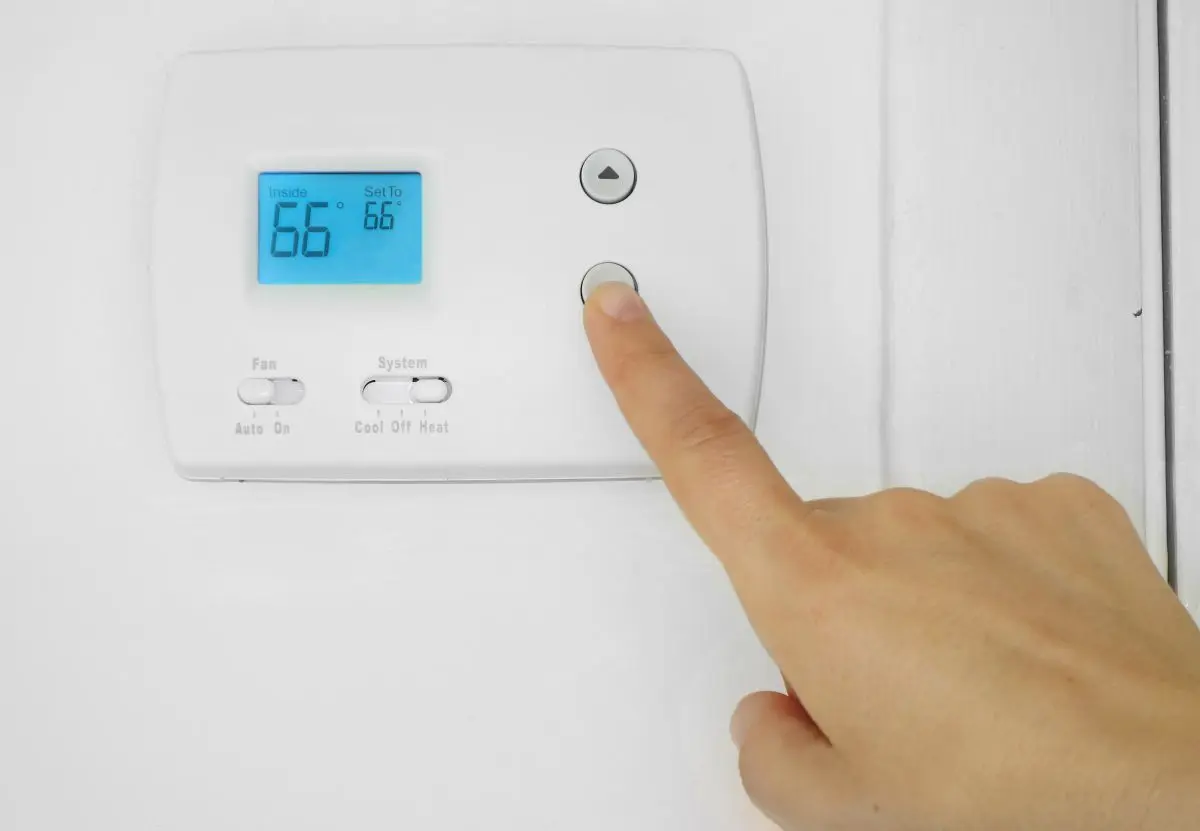
Keep in mind those savings only hold up if the thermostat itself is working correctly; inaccurate readings, unresponsive controls, or other thermostat problems can quietly erase the efficiency gains you’re counting on.
Trust Jameson Heating & Air for Expert HVAC Guidance
When you want to combine smart thermostat use with a system that is running at peak efficiency, Jameson Heating & Air is the trusted choice for homeowners across Willard and surrounding areas. As a family owned and operated Rudd Pro Partner, we bring factory-trained expertise on high-efficiency equipment, smart thermostat integration, and maintenance that keeps your system performing at its rated efficiency year after year. Our team offers free estimates on new system replacements, financing options that fit any budget, a maintenance program to protect your investment, and emergency repairs when you need them most. If you want to pair the temperature strategies in this article with equipment that maximizes your savings, reach out today for expert guidance on the right upgrades for your home.