Air Conditioning
Central Air Installation: 7 Benefits of a Modern System
A modern central air installation does far more than replace aging equipment, delivering noticeable gains in efficiency, comfort, indoor air quality, and long-term savings. Homeowners upgrading from a system that is more than 10 years old typically see the difference on the very first electric bill and feel it room by room throughout the home.
- Performance gains: Learn how today’s high-SEER2 systems outperform older equipment in every measurable way.
- Comfort upgrades: See how features like variable-speed compressors and smart controls transform daily comfort.
- Local expertise: Find out why Willard homeowners trust Jameson Heating & Air for professional installation.
Why Upgrading to a Modern Central AC Pays Off
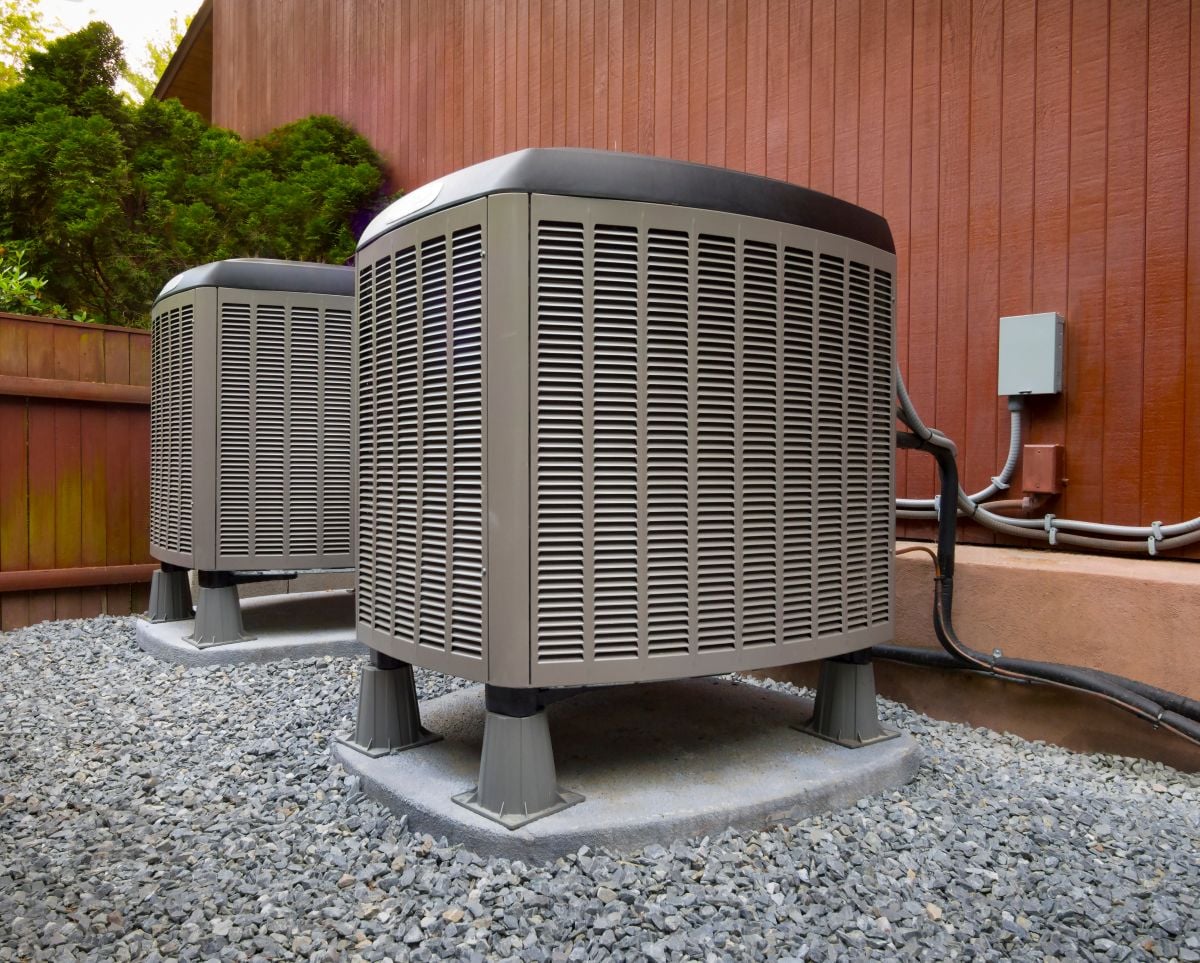
A modern central air system represents more than a decade of efficiency gains, refrigerant improvements, and smart-control integration. The result is lower energy use, more even cooling, better humidity management, and a quieter home year after year.
How Today’s Systems Compare to Older Equipment
A central air unit installed in 2014 typically operated at 13 SEER, which is now the floor rather than the ceiling. Today’s systems run between 15 and 26 SEER2, with variable-speed compressors that ramp up and down rather than cycling on and off at full power. That single change improves humidity control, lowers electricity use, and extends compressor life by reducing thermal and electrical stress. Refrigerants have also shifted from R-22 to R-410A and now toward R-454B, which offer better heat-transfer properties and far lower environmental impact. The cumulative result is a system that uses less energy, lasts longer, and keeps the home more comfortable than anything available a decade ago.
- Higher SEER2 ratings: Modern systems start at 14 SEER2 minimum and reach 26 SEER2 at the top end.
- Variable-speed compressors: Modulate output instead of running full blast or shutting off.
- Improved refrigerants: Better heat transfer with lower global warming impact.
- Smart controls: Built-in connectivity for thermostats, monitoring, and diagnostics.
What Willard Homeowners Should Expect From a Modern Install
Homeowners in Willard and surrounding areas face long Missouri cooling seasons that punish inefficient equipment. A modern install reduces summer electric bills, improves humidity control through Ozark-region moisture spikes, and pairs naturally with the smart thermostats most newer homes already have. Professional installers also follow Manual J load calculations to match equipment size to the home, which prevents the short-cycling and humidity issues common with poorly sized older systems.
- Lower summer bills: Higher SEER2 ratings translate directly to lower kilowatt-hour use.
- Better humidity control: Modern variable-speed equipment dehumidifies more effectively.
- Quieter operation: Newer outdoor units run 10 to 15 decibels lower than legacy models.
- Properly sized: Manual J calculations match capacity to the home’s actual cooling load.
7 Benefits of a Modern Central Air System
The following seven benefits represent the practical, measurable advantages homeowners gain from a modern central air installation. Each benefit shows up either on the monthly utility bill, in daily comfort, or in long-term equipment reliability.
1. Significantly Higher Energy Efficiency
A modern central air system uses dramatically less electricity than the units it replaces, especially when the old system is more than a decade old. According to ENERGY STAR, central air conditioners that have earned the ENERGY STAR label are about 11 percent more efficient than conventional models, and replacing a unit over 10 years old can easily save more than 30 percent on cooling costs. For a typical home spending $1,200 to $1,800 per year on cooling, that translates to $250 to $500 in annual savings, which adds up quickly over the 15-year life of the system.
- SEER2 gains: Each point of SEER2 improvement reduces summer kilowatt-hour use.
- Variable-speed motors: Cut energy use during partial-load conditions, which is most of the time.
- Better heat exchangers: Move more heat per dollar of electricity than older designs.
- Lower demand charges: Avoid peak-rate penalties on time-of-use utility plans.
2. Improved Humidity Control
Older single-stage air conditioners shut off as soon as they hit setpoint, often before they have removed enough moisture from the indoor air. Modern variable-speed and two-stage systems run longer at lower output, which removes far more humidity and keeps the home in the 30 to 50 percent relative humidity range that feels best. Lower humidity also lets you set the thermostat a few degrees higher without feeling warmer, which compounds the energy savings. In humid Missouri summers, this single benefit can transform indoor comfort more than any temperature change.
- Longer runtimes: Variable-speed systems dehumidify continuously rather than in short bursts.
- Better sleep comfort: Lower humidity at night improves sleep quality and reduces nighttime AC demand.
- Mold prevention: Indoor humidity under 50 percent inhibits mold and mildew growth.
- Cooler perception: Drier air feels cooler at the same temperature setting.
3. Better Indoor Air Quality
A modern central air system pairs naturally with upgraded filtration, ventilation, and UV options that older systems were never designed to support. High-MERV filters (MERV 11 to 13) trap pollen, pet dander, and fine particulates that pass straight through the cheap one-inch filters most older systems use. Whole-home media filters, dedicated dehumidifiers, fresh-air ventilators, and UV-C coil lights all integrate cleanly into modern equipment. The result is fewer allergens, less dust on furniture, and noticeably cleaner indoor air for households with pets or sensitivities.
- High-MERV filtration: Captures particles down to 1 micron, including most pollen and dander.
- Media filters: Last 6 to 12 months and outperform basic one-inch filters significantly.
- UV-C integration: Reduces microbial growth on the evaporator coil and drain pan.
- Fresh-air ventilation: ERVs and HRVs bring in tempered outside air without efficiency loss.
4. Quieter Operation
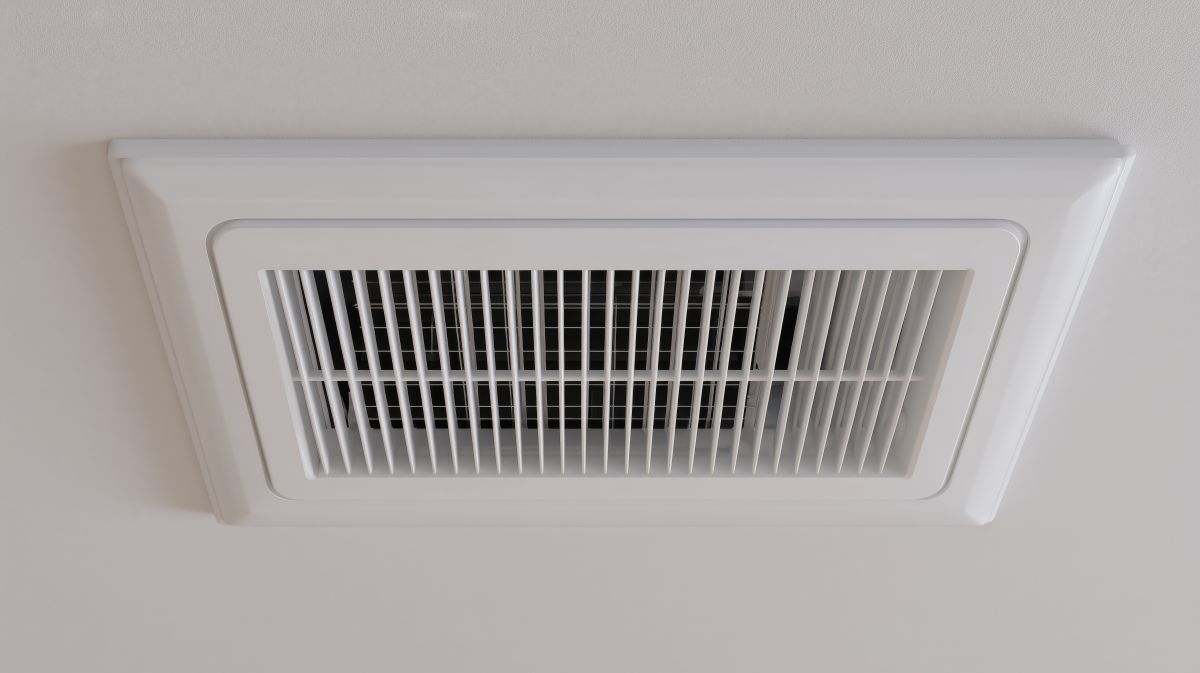
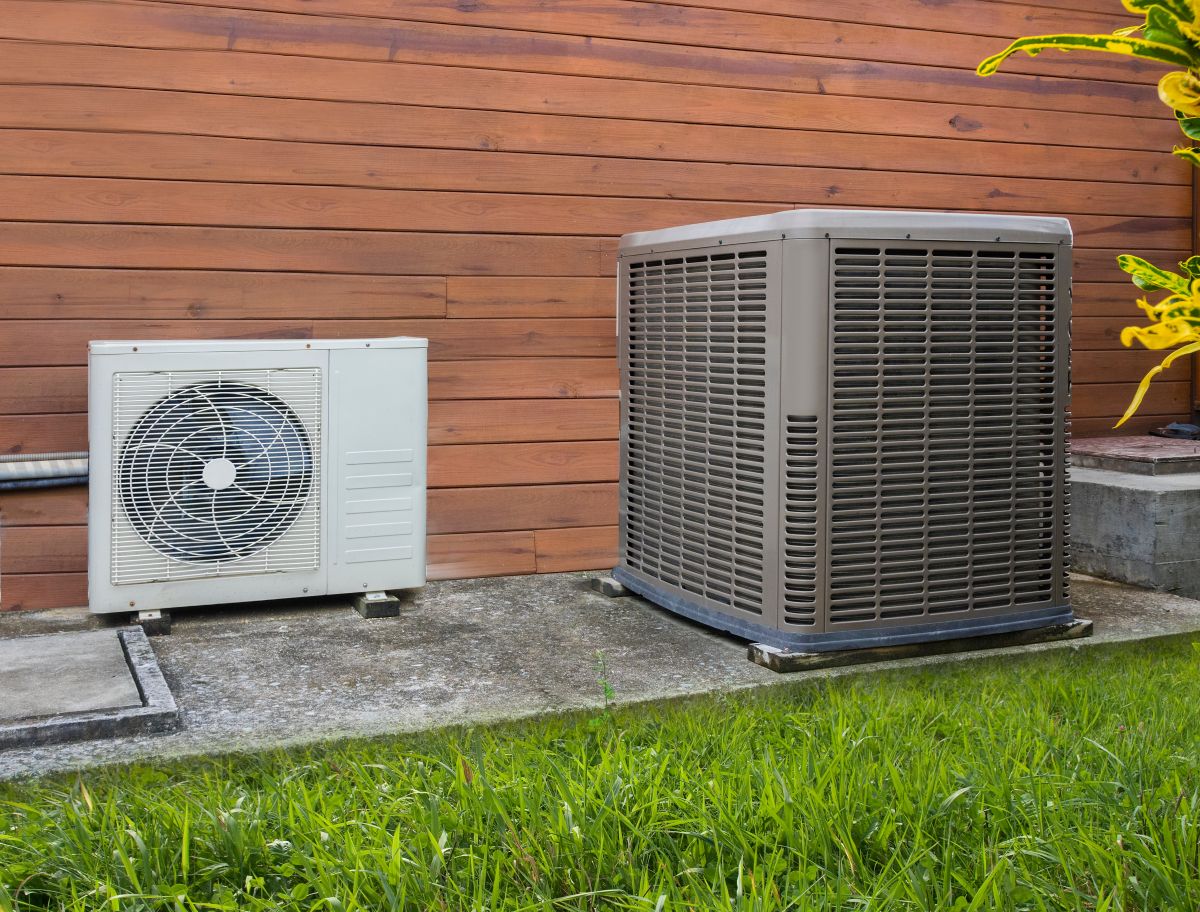
Modern outdoor condensers run dramatically quieter than units made even 10 years ago, thanks to variable-speed compressors, redesigned fan blades, and improved cabinet insulation. Many current models operate at 55 to 65 decibels, compared with 75 to 80 decibels for older equipment, which is roughly the difference between a normal conversation and a vacuum cleaner. Indoor air handlers have benefited from the same improvements, with ECM blower motors running smoother and quieter than the older PSC motors they replaced. For homes with patios near the condenser or bedrooms near the air handler, the difference is hard to overstate.
- Variable-speed compressors: Operate at lower speeds most of the time, generating less noise.
- ECM blower motors: Run smoother and quieter than older permanent split capacitor models.
- Redesigned fan blades: Move air with less turbulence and lower sound output.
- Cabinet insulation: Modern units include sound-dampening materials that older systems lacked.
5. Smart Thermostat and Home Integration
Modern central air systems are built to communicate with smart thermostats, home automation platforms, and remote monitoring tools that did not exist a decade ago. A smart thermostat alone typically saves 8 to 10 percent on heating and cooling costs through automated scheduling, geofencing, and learning algorithms. Pairing one with a modern variable-speed system unlocks advanced features like adaptive recovery, fan circulation modes, and real-time diagnostics that flag problems before they cause a breakdown. Manufacturers and dealers can also monitor system performance remotely on supported models, catching issues during routine reporting.
- Geofencing: Automatically adjusts setpoints when the home is unoccupied.
- Adaptive recovery: Pre-cools the home so it hits target temperature exactly when you want.
- Remote diagnostics: Flag refrigerant or airflow issues before they cause failures.
- Voice integration: Works with Alexa, Google Home, and Apple HomeKit on supported models.
6. Zoned Cooling for Custom Comfort
Modern systems support zoning, which divides the home into separately controlled areas for room-by-room comfort. Zoning addresses the classic problem of an upstairs bedroom that stays hot while the downstairs runs cold, or a sunny west-facing room that overheats every afternoon. A zoned system uses motorized dampers in the ductwork and a panel that responds to individual zone thermostats, sending conditioned air only where it is needed. Adding zoning to a new installation typically runs $1,800 to $4,500 depending on the number of zones, and it usually pays back through energy savings and improved comfort over 5 to 8 years.
- Even temperatures: Eliminate hot and cold spots across multiple floors or wings.
- Targeted cooling: Direct conditioned air to occupied rooms instead of the whole home.
- Lower energy use: Avoid cooling unused spaces during the day or night.
- Better humidity control: Zoning works hand-in-hand with variable-speed dehumidification.
7. Federal Tax Credits and Long-Term Savings
Modern high-efficiency central air systems qualify for federal tax credits, utility rebates, and manufacturer financing that older systems never offered. Under the Energy Efficient Home Improvement Credit, split-system central ACs meeting SEER2 ≥ 17.0 and EER2 ≥ 12.0 qualify for a federal tax credit of up to $600. Local utility rebates often stack with the federal credit and can total another $200 to $1,000 depending on equipment efficiency and program availability. Combined with lower monthly energy bills, these incentives shorten the payback period substantially compared with replacing a system without considering efficiency.
- Federal tax credit: Up to $600 for qualifying high-efficiency central AC installations.
- Utility rebates: Local programs frequently add $200 to $1,000 in incentives.
- Manufacturer financing: Promotional offers spread cost over 12 to 60 months.
- Lower monthly bills: Higher SEER2 ratings deliver immediate ongoing savings.
Frequently Asked Questions
How Much Does Central Air Installation Cost?
A new residential central air installation in the Willard and surrounding areas market typically runs $5,500 to $9,500, depending on system capacity, SEER2 rating, and ductwork condition. High-efficiency variable-speed systems and zoning add to that range. Free in-home estimates make it easy to compare options before committing.
How Long Does Central Air Installation Take?
Most straightforward residential installations are completed in 1 to 2 days, including removal of the old equipment, brazing of refrigerant lines, electrical work, and startup. Installations that include ductwork modifications, zoning, or new line sets may extend to 3 days. A reputable contractor will walk you through the timeline before work begins.
What SEER2 Rating Should I Choose?
For most Missouri homes, a 15 to 17 SEER2 system offers the best balance of upfront cost and long-term savings. Higher ratings of 18 to 22 SEER2 make sense for homes with high cooling loads, long occupancy, or strong interest in qualifying for federal tax credits. A licensed installer can model the payback for your specific home.
How Long Does a New Central Air System Last?
A properly installed and maintained modern central air system typically lasts 15 to 20 years. Annual maintenance, prompt repairs, and clean filtration are the single biggest factors in reaching the upper end of that range. Manufacturer warranties typically cover 10 years on parts when the system is registered.
Are New Refrigerants Compatible With Older Equipment?
No, the new low-GWP refrigerants like R-454B require equipment specifically designed for them and cannot be retrofitted into older R-22 or R-410A systems. This is part of why aging equipment becomes harder and more expensive to service over time, and a key reason replacement often makes sense.
Do I Need a Licensed Contractor for Central Air Installation in Missouri?
Yes, Missouri requires HVAC contractors to hold proper licensing and EPA Section 608 certification for any work involving refrigerants. A licensed, insured installer also ensures the work meets local code, qualifies for manufacturer warranty coverage, and meets the requirements for federal tax credits and utility rebates.
Trust Jameson Heating & Air for Expert Central Air Installation
When you are ready to upgrade to a modern central air system, Jameson Heating & Air is the trusted choice for homeowners across Willard and surrounding areas. As a family owned and operated Rudd Pro Partner, we deliver factory-trained installation, accurate Manual J load calculations, and transparent pricing on every quote.
Our team offers free estimates on new system replacements, financing options to fit any budget, a maintenance program to protect your investment year after year, and emergency repairs if anything ever goes wrong. If you are tired of high bills, uneven comfort, or an aging system that breaks down every summer, reach out today to schedule your free in-home estimate and start enjoying the benefits of a modern central air installation.