Heat Pump
Wondering What Does A Heat Pump Look Like? (5 Key Features)
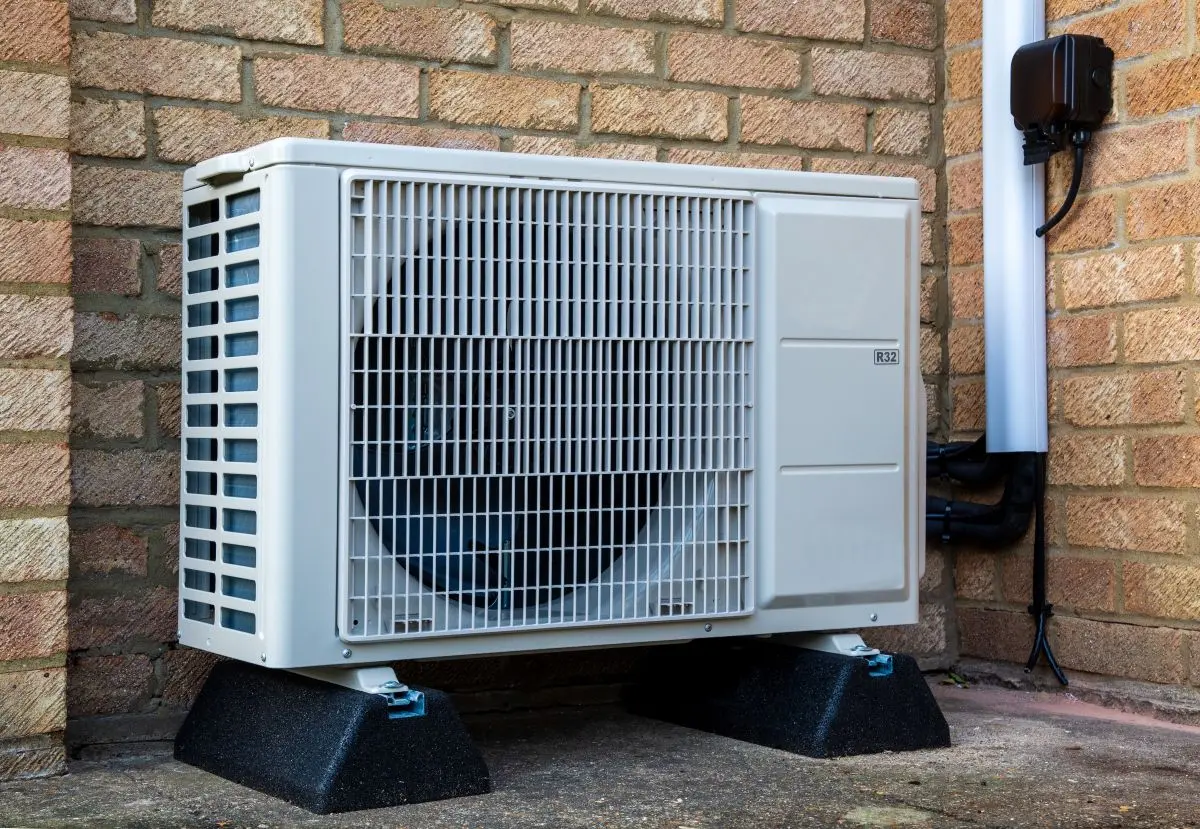
If you have been asking “what does a heat pump look like?” as you compare heating and cooling options, the honest answer is that a heat pump looks a lot like a standard central air conditioner from the outside, with a few key features that give it away once you know what to look for. Understanding these features helps you identify existing equipment, spot a heat pump on a neighbor’s home, or know exactly what to expect when a technician quotes you on a new install.
- Visual identification: Learn the outdoor and indoor components that make up a heat pump system.
- Key differences: See what sets a heat pump apart from a traditional AC or furnace.
- Local expertise: Discover why Republic homeowners trust Jameson Heating & Air for heat pump guidance.
Getting Familiar with Heat Pump Basics
A heat pump is a single system that both heats and cools your home by moving heat rather than generating it. That two-way capability is why heat pumps look mostly like an air conditioner but perform double duty year-round, and why identifying one requires spotting a few key features that traditional cooling-only equipment does not have.
How Heat Pumps Differ From Traditional HVAC
Heat pumps look similar to a standard central AC on the outside because both systems use the same core components: a compressor, a condenser coil, a fan, and refrigerant lines. The difference lives inside the equipment, where a heat pump adds a reversing valve that lets it change refrigerant direction seasonally. According to the U.S. Department of Energy, modern air-source heat pumps can reduce your electricity use by 50 percent compared to furnaces and baseboard heaters, which explains their rising popularity across the country. In summer, a heat pump pulls heat out of your home and rejects it outside just like an AC; in winter, it does the opposite, pulling heat from cold outdoor air and delivering it inside.
- Same core components: Compressor, condenser coil, fan, and refrigerant lines.
- Reversing valve: The internal component that flips the refrigerant flow.
- Year-round use: One system handles both heating and cooling.
- Higher efficiency: Transfers heat rather than burning fuel to create it.
What Republic Homeowners Should Look For
Homeowners in Republic and surrounding areas may already have a heat pump without knowing it, since equipment labels and homeowner paperwork often go missing over the years. Walk to your outdoor unit and look for a manufacturer nameplate on the side, which typically lists the model number, serial number, and often the words “heat pump” or an “HP” prefix in the model designation. All-electric homes with no natural gas or propane service are especially likely to have heat pumps, since they combine heating and cooling in a single system.
- Nameplate inspection: Model numbers and labels typically identify heat pumps clearly.
- Model prefixes: Look for “HP” or “heat pump” in the model designation.
- All-electric homes: Homes without gas or propane often use heat pumps by default.
- Utility bills: No gas bill combined with heating usage points to a heat pump.
5 Key Features That Define a Heat Pump
The following five features are what you look at to identify a heat pump and understand how the system operates. Each feature has a distinct visual signature or function that separates a heat pump from a cooling-only air conditioner.
1. The Outdoor Condenser Unit
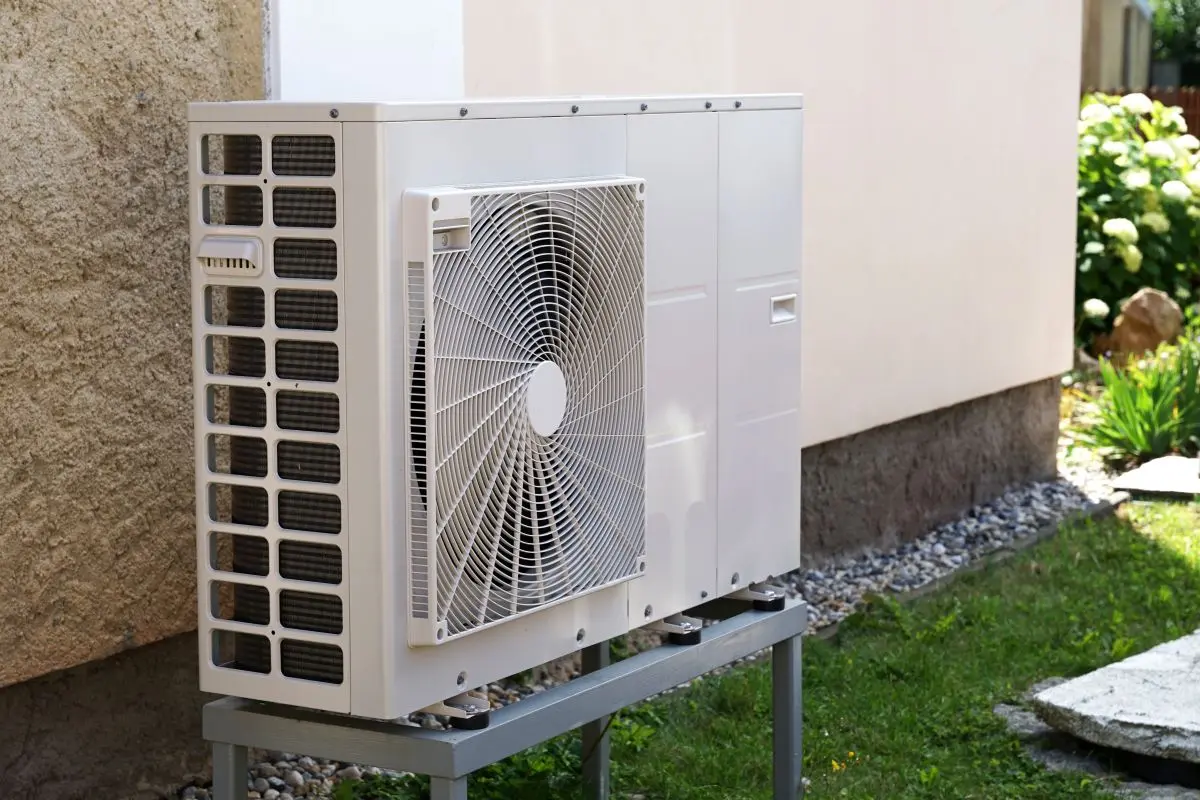
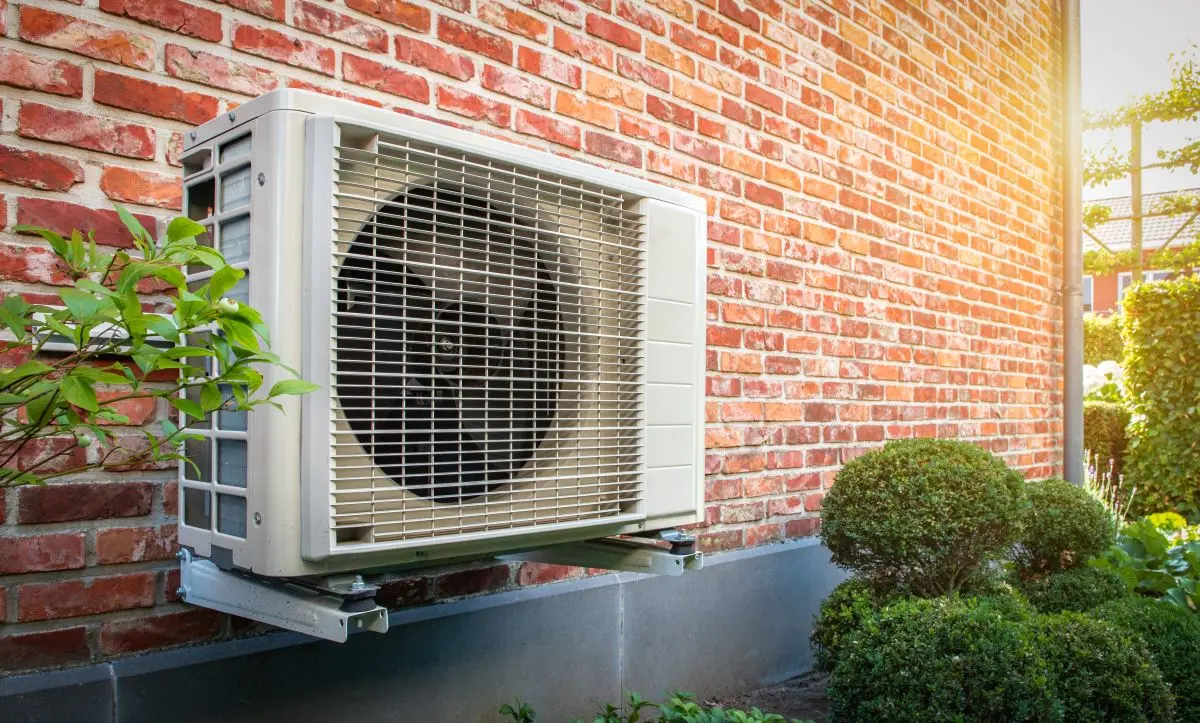
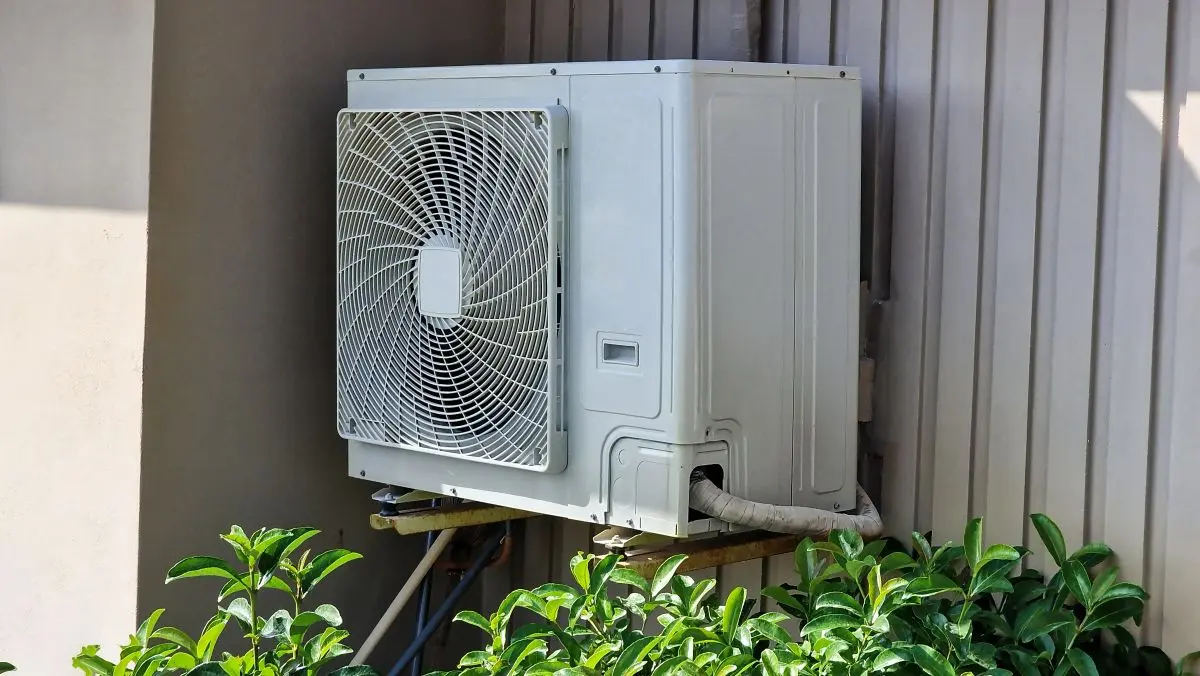
The outdoor condenser is the most visible feature of any heat pump and the component homeowners see most often. It sits on a concrete pad or wall bracket outside the home, stands 24 to 48 inches tall depending on capacity, and houses the compressor, outdoor coil, fan motor, and reversing valve inside a weatherproof metal cabinet. At a glance it looks nearly identical to a central AC condenser, but heat pumps often have larger outdoor coils to handle winter heating loads, a base pan drain to release melted defrost water, and manufacturer branding that specifically calls the unit a heat pump. Sizes typically range from 1.5 to 5 tons for residential applications, with cabinet dimensions increasing as capacity grows.
- Weatherproof cabinet: Painted steel construction, usually gray, beige, or off-white.
- Fan grille on top: A large protective grille covers the fan discharge.
- Refrigerant service valves: Copper line connections visible on the side of the unit.
- Base pan drainage: Small drain holes at the bottom for defrost cycle water release.
2. The Indoor Air Handler or Coil
The indoor component of a heat pump lives inside the home and takes one of two forms depending on the system design. In split-system heat pumps paired with an existing furnace, the indoor coil sits on top of or inside the furnace cabinet, sharing the same blower to distribute conditioned air. In all-electric heat pump systems, the indoor unit is an air handler, which is a tall cabinet containing the indoor coil, blower motor, and often supplemental electric resistance heating strips. Air handlers typically stand 40 to 60 inches tall, look similar to a slim furnace, and are usually located in a basement, utility closet, garage, or attic.
- Furnace-mounted coil: Compact A-frame coil sitting atop a gas furnace.
- Air handler: Standalone cabinet used in all-electric heat pump systems.
- Blower assembly: Circulates conditioned air through the ductwork.
- Auxiliary heat strips: Electric resistance heaters included in most air handlers.
3. The Refrigerant Line Set
The refrigerant line set is the pair of copper pipes running between the outdoor condenser and the indoor air handler or coil. One line is thicker and insulated with black foam, called the suction line or vapor line, while the other is thinner and typically uninsulated, called the liquid line. Line sets range from a few feet to over 50 feet in length depending on how far the indoor and outdoor units are from each other, and they are usually run through basement rims, exterior walls, or utility chases. In a heat pump, the direction of refrigerant flow reverses seasonally, but the lines themselves look identical to those on a standard AC installation.
- Suction line: Thicker line wrapped in black foam insulation.
- Liquid line: Thinner, uninsulated copper line.
- Line length: Ranges from 15 to 50-plus feet on most residential installations.
- Reversible flow: Refrigerant travels different directions in heating vs cooling mode.
4. The Reversing Valve (What Makes It a Heat Pump)
The reversing valve is the single component that distinguishes a heat pump from a standard air conditioner, though it lives inside the outdoor cabinet and is not visible without removing service panels. This valve is a metal cylinder about the size of a soup can with four refrigerant lines connected to it, and it electrically switches to change the direction refrigerant flows through the system. When the thermostat calls for cooling, the valve directs refrigerant one way; when the thermostat calls for heating, an electrical signal shifts the valve and refrigerant flows the opposite direction. Technicians can hear a distinctive whooshing or clicking sound when the valve reverses, which typically happens during startup and during defrost cycles.
- Compact cylinder: Small metal component inside the outdoor cabinet.
- Four line connections: Directs refrigerant flow in four possible paths.
- Solenoid activated: Electrical signal shifts the valve for heating vs cooling.
- Audible switching: Reversing valve creates a soft whooshing sound when it changes direction.
5. The Backup or Auxiliary Heating System
Most residential heat pumps include an auxiliary heating system that kicks in when outdoor temperatures drop below the heat pump’s efficient operating range or during defrost cycles. In all-electric systems, this backup heating comes from resistance heat strips built into the air handler, which look like short lengths of coiled wire and glow orange when energized. In dual-fuel or hybrid systems, the backup is a natural gas or propane furnace paired with the heat pump, and the thermostat automatically switches between the two based on outdoor temperature. Auxiliary heat runs less efficiently than the heat pump itself, so seeing “AUX HEAT” or “EM HEAT” on your thermostat during extreme cold is normal but signals higher electricity use.
- Electric heat strips: Coiled resistance heaters in the air handler cabinet.
- Dual-fuel furnace: Natural gas or propane furnace paired with the heat pump.
- Thermostat indicator: “AUX HEAT” appears when backup heating engages.
- Defrost cycle: Backup heat runs briefly when outdoor coil defrosts in winter.
Frequently Asked Questions
How Can I Tell if I Already Have a Heat Pump?
Look at the nameplate on the outdoor unit for model number prefixes like “HP” or the words “heat pump,” and check whether your home uses electric heating without a separate furnace. If your thermostat has an “EM HEAT” or “AUX HEAT” mode, you almost certainly have a heat pump. When in doubt, a licensed HVAC technician can identify the equipment in under five minutes.
How Big Is a Residential Heat Pump?
Outdoor condensers typically stand 24 to 48 inches tall and 24 to 36 inches wide, depending on capacity. Indoor air handlers stand 40 to 60 inches tall and are roughly the same size as a slim furnace. Both components fit easily in standard residential locations like side yards, utility closets, and basements.
What Does a Heat Pump Sound Like?
A running heat pump sounds similar to a central air conditioner, with a low hum from the compressor and a steady rushing sound from the outdoor fan. Modern units run 55 to 70 decibels, roughly the level of a normal conversation. You may also hear a distinctive whoosh or click when the reversing valve shifts between heating and cooling modes.
Does a Heat Pump Look Different in Winter?
Yes, in cold weather you may see frost or ice accumulating on the outdoor coil, which is normal and triggers automatic defrost cycles. During defrost, the outdoor fan stops briefly, the unit reverses to cooling mode temporarily, and steam or vapor may rise from the outdoor unit as ice melts. This visible steam alarms many first-time heat pump owners but is completely normal operation.
How Long Do Heat Pumps Last?
A properly installed and maintained residential heat pump typically lasts 12 to 15 years, slightly shorter than a cooling-only AC because heat pumps run year-round instead of only during cooling season. Annual maintenance, prompt repairs, and clean filtration are the biggest factors in reaching the upper end of that range.
Are Heat Pumps Worth the Investment?
Heat pumps typically save 30 to 50 percent on heating costs compared to electric resistance heating and often qualify for federal tax credits up to 30 percent of installation cost, capped at $2,000. In the Missouri climate, they work best paired with a supplemental heat source for the coldest weeks, which is why dual-fuel systems are popular in the region.
Trust Jameson Heating & Air for Expert Heat Pump Advice
When you want honest answers about whether a heat pump is right for your home, Jameson Heating & Air is the trusted choice for homeowners across Republic and surrounding areas. As a family owned and operated Rudd Pro Partner, we deliver factory-trained expertise on heat pump identification, installation, and maintenance, with clear explanations of how each feature affects your comfort and utility bills. Our team offers free estimates on new system replacements, financing options that fit any budget, a maintenance program to protect your investment year after year, and emergency repairs if your existing heat pump breaks down. If you are curious about what a heat pump would look like in your home, or you want to know whether the equipment you already have is one, reach out today for expert guidance and a straightforward answer.